Small wheels change how a scooter brakes, corners, and reacts to road edges. These are the safety basics every city rider should know before the next commute.
Start With the Basics
Certified protective gear and visible lighting come first. Technique matters, but it cannot replace them.
Protective gear
Gear Standards for City Riding
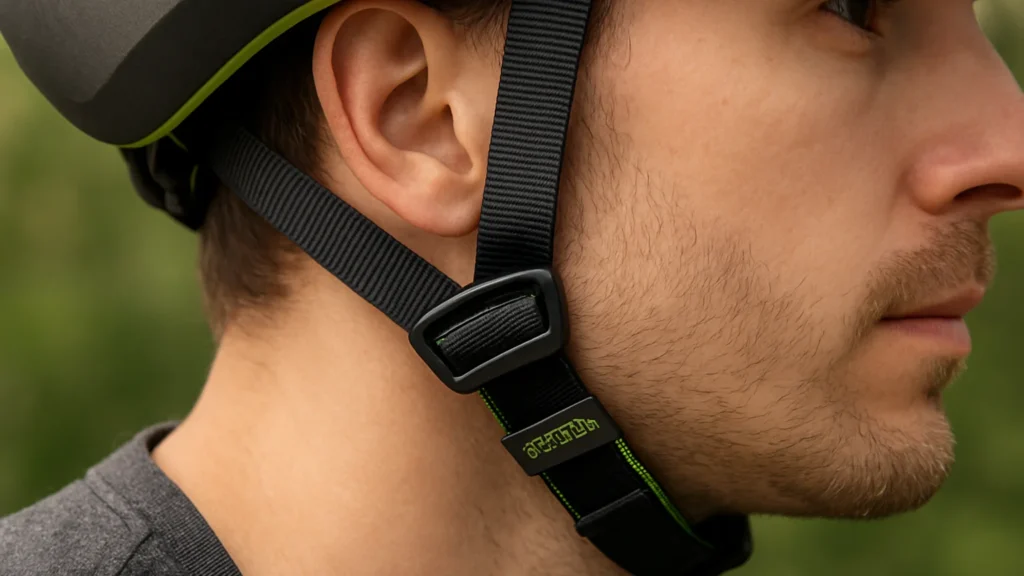
Look for helmets with a recognized safety certification label, eye protection, gloves that grip well, and clear high-visibility lighting. Check the label on each item before you buy.
Certified Helmets
Choose a helmet with a recognized safety certification label and a fit that stays stable when you shake your head.
Gloves and Eye Protection
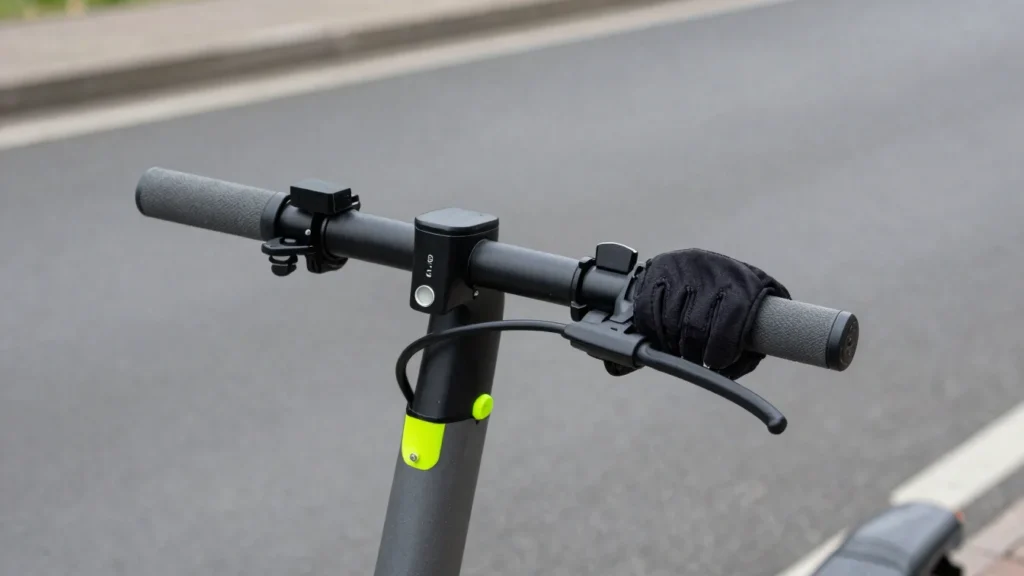
Grippy gloves protect your hands in a fall, and eye protection keeps grit and rain out of your view.
Lighting and Footwear
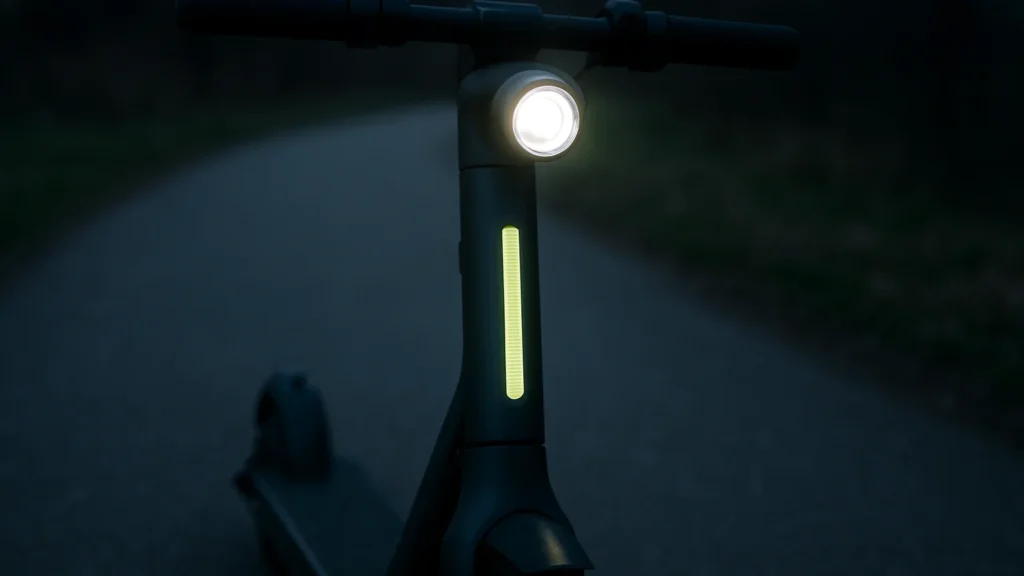
Add a bright front light and rear reflector for visibility, and wear closed, flat-soled shoes for steady footing.
Road practice
Riding Rules for Urban Roads
Small wheels have less margin for error on rough or uneven surfaces. Work through these habits until they feel automatic.
1. Brake Early and Keep Your Weight Back
Braking shifts weight forward and can lift the rear wheel. Lean your body slightly back and apply both brakes gently, starting before you reach the hazard.
2. Treat Wet Paint and Painted Lines With Caution
Painted road markings, metal covers, and trolley tracks become slippery when wet. Cross them at a right angle and avoid braking or turning on them.
3. Ride Outside the Door Zone
Keep about a metre away from parked cars so you are clear of sudden door openings. Position yourself where drivers can see you.