
Buying Guides
How to Choose an Electric Scooter
Start with the rider and the route, then compare motor output, battery capacity, braking, and folding design against real-world use rather than laboratory claims.
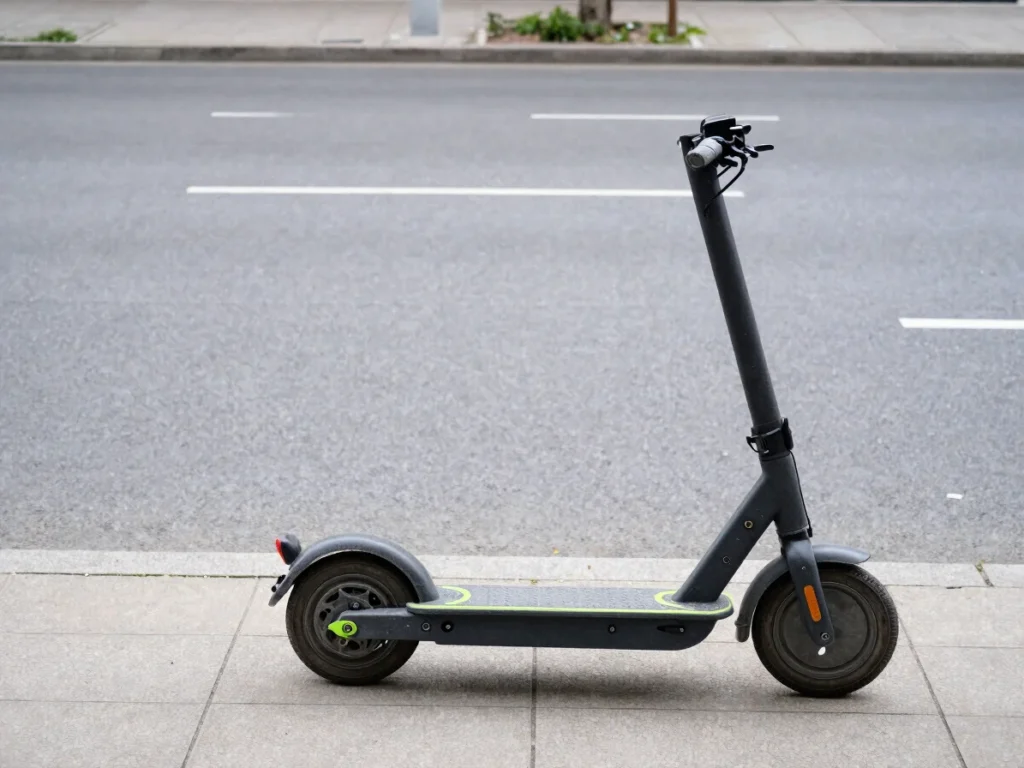
Key Criteria
Four Factors That Shape Your Choice
Each factor changes how a scooter performs for your weight, terrain, and commute. Weigh them against your own route before comparing models.
Motor Output and Terrain
Nominal wattage describes continuous output, while peak figures reflect short bursts. Match motor size to rider weight and the steepest grade you ride, and check whether the manufacturer states its rated load.
Battery Chemistry and Range
Real-world range falls with rider weight, speed, temperature, and hills. Treat the manufacturer's figure as a ceiling and estimate range from watt-hour capacity and your typical trip length.
Braking and Build Quality
Compare brake type, deck rigidity, folding latch design, and water resistance ratings. Confirm IP ratings and check how the folding mechanism locks before buying.
Full Buying Guide
Matching Budget and Terrain to the Right Scooter
Budget sets the range of options, but terrain and rider weight decide which ones are workable. Begin with the most demanding trip you actually make, then work backward to the specifications that matter. Contents: 1. Setting a realistic budget. 2. Reading motor and controller specifications. 3. Matching battery capacity to your commute. 4. Terrain requirements for hills and rough pavement. 5. Folding, weight, and portability. 6. Frequently asked questions.
Budget tiers broadly separate entry-level commuter models, mid-range scooters with stronger motors and larger batteries, and heavy-duty machines built for higher rider weights and steeper gradients. Entry models suit flat, short commutes; mid-range scooters handle moderate hills and longer days; heavy-duty designs justify their cost when you ride frequently on grades or carry substantial weight. For terrain, check the stated grade-climbing figure and remember it assumes a specific load. Pneumatic or larger solid tyres absorb rough pavement better than small solid tyres, and suspension matters more as speed rises. Folding scooters trade some deck stiffness and battery size for portability, so choose them when carrying the scooter on transit is a genuine requirement. Specifications are published by manufacturers and should be read as starting points; confirm them against independent sources where available.